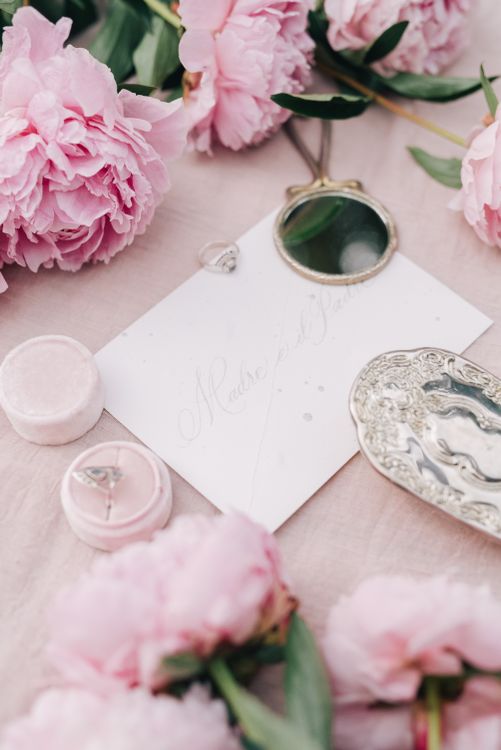
The Art of Luxury Wedding Invitations: A Connecticut Bride's Guide
Long before the first dance, before the ceremony, before even the drive to the venue, your wedding begins with an envelope in your guest's hands. The weight of the paper. The impression of the letterpress against fingertips. The quiet authority of engraved script on cotton stock. Connecticut wedding invitations are the opening chapter of your celebration, the first tangible artifact of a day that exists, until that moment, only in imagination. At Event Connoisseur, we understand that for discerning couples, the invitation suite is not mere correspondence but an act of storytelling, a declaration of taste, and an heirloom in its own right.
Connecticut has long been home to a remarkable community of stationery designers, calligraphers, and printing artisans whose work graces the most celebrated weddings in the Northeast. From the historic printing houses of New Haven to the boutique design studios of Westport and Greenwich, the state offers a depth of talent in the paper arts that rivals any market in the country. This guide will walk you through every dimension of the luxury invitation experience, from printing methods and paper selection to timeline planning and budget, so that your stationery sets the perfect tone for the celebration to follow.
Printing Methods: The Language of Luxury Stationery
The printing method you choose defines the tactile and visual character of your invitation. Each technique carries its own history, its own aesthetic, and its own emotional resonance. Understanding the differences will help you select the method that speaks most authentically to your vision.
Letterpress Printing
Letterpress is perhaps the most beloved printing method in luxury wedding stationery, and for good reason. The process involves pressing inked plates into heavy cotton paper, creating a debossed impression that you can feel beneath your fingers. The result is unmistakable: crisp, elegant type and motifs that sit slightly below the surface of the paper, inviting the recipient to trace the letters with their fingertips.
Letterpress is best suited to designs with clean typography and simple graphic elements. It excels with one or two ink colors and gains its beauty from restraint rather than complexity. The feel of a letterpress invitation on thick cotton stock is one of the most distinctive sensory experiences in the world of paper goods. Letterpress invitation suites in Connecticut typically begin around $1,200 for 100 sets and can reach $3,500 or more for multi piece suites with custom illustrations and multiple ink colors.
Engraving
Engraving is the oldest and most formal of all printing techniques, dating back centuries to the era of royal proclamations and diplomatic correspondence. The process involves etching a design into a copper or steel plate, filling the etched areas with ink, and pressing the paper against the plate under tremendous pressure. The result is raised lettering on the front of the invitation with a corresponding indentation, known as a bruise, on the reverse.
Engraved invitations carry an unmistakable air of formality and prestige. The raised ink catches the light differently depending on the angle, giving the text a dimensional quality that no other method can replicate. For black tie celebrations at Connecticut's most prestigious venues, engraving remains the gold standard. Engraved suites typically range from $2,000 to $5,000 for 100 sets, reflecting the labor intensive process and the cost of custom plate creation.
Foil Stamping
Foil stamping applies metallic or pigmented foil to the paper using heat and pressure, creating accents that shimmer and glow. Gold, rose gold, silver, and copper foils are the most popular choices, though the range of available colors has expanded dramatically. Foil stamping is often combined with letterpress or digital printing to add luminous accents to borders, monograms, or decorative elements.
The combination of matte paper and metallic foil creates a striking contrast that photographs beautifully and makes an immediate impression when the envelope is opened. Foil stamped elements add $200 to $800 to the cost of a suite, depending on the coverage area and the number of foil colors used.
Digital and Offset Printing
Modern digital and offset printing have achieved a level of quality that makes them viable options for luxury stationery, particularly for designs that incorporate full color photography, watercolor illustrations, or complex graphic elements that are beyond the capabilities of letterpress or engraving. These methods offer the greatest design flexibility and are typically the most affordable, with suites starting around $500 for 100 sets.
The distinction between digital printing and letterpress or engraving is primarily tactile. Digital printing sits on the surface of the paper rather than being impressed or raised, which means it lacks the dimensional quality of those methods. However, for designs that prioritize color and visual complexity over texture, digital printing delivers stunning results.
Paper Selection: The Foundation of Your Suite
The paper itself is as important as what is printed on it. Luxury wedding invitations are printed on cotton paper, which is softer, thicker, and more durable than wood pulp paper. Cotton paper has a distinctive feel that signals quality immediately, a softness and weight that wood pulp cannot replicate.
Standard invitation weight cotton paper is approximately 300gsm to 600gsm, with heavier stocks used for the invitation itself and lighter weights for enclosure cards, RSVP cards, and detail cards. Double thick cotton, created by bonding two sheets together, offers an extraordinarily substantial feel and is a hallmark of the most luxurious suites.
Color choices in luxury paper include bright white, natural white, ecru, and ivory, each with its own warmth and formality. Bright white paired with black ink is the most modern and graphic. Ecru with navy or charcoal ink evokes timeless tradition. Soft ivory with gold or champagne tones creates a romantic warmth that is especially beautiful for candlelit evening celebrations. Your stationery designer will guide you toward the paper and ink combination that best reflects your wedding's palette and mood.
Designing Your Complete Invitation Suite
A luxury wedding invitation suite is a collection of coordinated pieces that together communicate every detail your guests need while establishing the aesthetic language of your celebration. The components of a full suite typically include the invitation itself, an inner and outer envelope, an RSVP card with its own envelope, a details or reception card, and any additional enclosures such as a map, weekend itinerary, or accommodations card.
The design process begins with a creative consultation where you and your stationery designer discuss your wedding's aesthetic, venue, color palette, and overall vision. Bring inspiration images, fabric swatches, floral references, and any visual materials that communicate the feeling you want to evoke. The designer will then create custom concepts for your review, typically presenting two to three directions for the suite's overall design.
Expect the design and proofing process to take four to eight weeks, with an additional four to six weeks for production depending on the printing method. For letterpress and engraving, production timelines can extend further during peak wedding season. This means your invitation suite should be in process 16 to 20 weeks before your intended mailing date, and mailing should occur eight to ten weeks before the wedding. Work backward from your wedding date to establish a realistic stationery timeline.
For guidance on how your stationery timeline integrates with the broader arc of wedding planning, our venue comparison guide and photographer selection article provide helpful context on parallel planning tracks.
Calligraphy: The Finishing Touch
Hand calligraphy for envelope addressing is the crowning detail of a luxury invitation suite. The art of a skilled calligrapher transforms each envelope into a small work of beauty, with script that flows with organic grace and personality. Connecticut is home to a thriving community of professional calligraphers who specialize in wedding work, offering styles that range from traditional Copperplate and Spencerian to modern, flowing scripts with expressive, contemporary character.
Hand calligraphy for envelope addressing typically costs $3 to $10 per envelope for the outer envelope and $2 to $6 for the inner envelope, with pricing varying based on the complexity of the script and the calligrapher's experience. For 100 invitations with both inner and outer envelopes, budget $500 to $1,600 for hand calligraphy. Digital calligraphy, where a custom hand drawn font is digitized and printed onto envelopes, offers a cost effective alternative at $150 to $400 for 100 envelopes.
Beyond envelope addressing, calligraphy extends to place cards, escort cards, menus, vow books, signage, and any paper element where a personal, hand crafted touch is desired. Coordinating your calligraphy across all paper touchpoints creates a visual continuity that feels intentional and luxurious.
Budget Planning for Luxury Wedding Stationery
A complete luxury wedding stationery program in Connecticut, encompassing save the dates, the invitation suite, ceremony programs, escort and place cards, menus, table numbers, and thank you cards, typically represents an investment of $2,000 to $8,000 or more for 100 to 150 guests. The invitation suite itself is the largest component, but the cumulative cost of day of paper goods and post wedding correspondence should be factored into your planning.
To manage your stationery budget effectively, prioritize the elements that matter most to you. If the invitation suite is your primary focus, allocate the majority of your budget there and consider simpler solutions for day of paper. Conversely, if you envision an immersive paper experience that carries through every guest touchpoint from mailbox to escort wall to dinner table, communicate that vision to your designer so they can create a cohesive plan within your budget.
The Event Connoisseur vendor directory features stationery designers who work across a range of investment levels, from bespoke ateliers creating one of a kind suites to talented designers who deliver luxury aesthetics at more accessible price points. Every vendor in our directory has been selected for the quality of their craft and their dedication to exceptional client service.
Trends in Connecticut Wedding Stationery
The current landscape of luxury wedding stationery reflects a return to craftsmanship and materiality. Couples are drawn to designs that feel handmade, personal, and tactile in an age dominated by digital communication. Several trends are shaping the suites we see at Connecticut's most distinguished celebrations.
Handmade paper, with its deckled edges and organic texture, has become a signature of luxury wedding stationery. These papers are made by artisan papermakers using traditional methods, and each sheet carries subtle variations in thickness, color, and texture that give the suite a one of a kind quality. Handmade paper pairs beautifully with letterpress printing and hand calligraphy, creating a suite that feels like a work of art.
Wax seals have returned with authority, serving as both a decorative element and a functional closure for invitation envelopes, vow books, and menu folds. Custom wax seal stamps featuring the couple's monogram or a bespoke motif add a layer of ceremony to every piece they adorn. Colors range from traditional burgundy and forest green to modern mauve, terracotta, and dusty blue.
Illustration is ascendant. Custom venue illustrations, botanical drawings, and watercolor landscapes rendered by a stationery artist create invitations that are uniquely tied to your wedding's sense of place. A letterpress invitation featuring a hand drawn illustration of your Connecticut venue, printed on thick cotton paper with gold foil accents and addressed in flowing calligraphy, is a stationery experience that your guests will treasure long after the wedding day.
For inspiration on how your stationery vision connects to the broader design narrative of your wedding, explore our guides on color palettes for Connecticut weddings and seasonal floral design.
Working with Your Stationery Designer
The relationship with your stationery designer is one of the most creatively intimate collaborations in the wedding planning process. You are co creating the first impression of your wedding, and the process should feel inspiring, collaborative, and joyful. At Event Connoisseur, we encourage couples to choose a designer whose portfolio speaks to them and whose working style complements their own.
Come to your initial consultation with a clear sense of your wedding's aesthetic but an open mind about how it translates to paper. The best stationery designers will surprise you with ideas and approaches you had not considered, drawing on their expertise in typography, color theory, printing techniques, and paper arts to propose solutions that elevate your vision beyond what you imagined.
Trust their guidance on practical matters such as wording, etiquette, paper sizes, and mailing logistics. A seasoned stationery designer has navigated every nuance of invitation protocol and postal regulations, and their experience will save you time, stress, and costly errors. Begin your search for the perfect stationery partner in our curated directory, where Connecticut's finest paper artisans are waiting to bring your wedding's story to paper.
Frequently Asked Questions
When should I order my wedding invitations?
Begin the design process six to eight months before your wedding. This allows four to eight weeks for design and proofing, four to six weeks for production, one to two weeks for calligraphy, and mailing eight to ten weeks before the wedding date. For letterpress or engraved suites during peak season, starting even earlier is advisable.
What is the difference between letterpress and engraving?
Letterpress presses ink into the paper, creating a debossed impression where the text sits below the surface. Engraving raises the ink above the paper surface, creating a dimensional, tactile quality with a corresponding bruise on the reverse. Both are considered the pinnacle of luxury printing, with engraving being the more formal and traditional of the two.
How many invitations should I order beyond my guest count?
Order 15 to 25 extra invitations beyond your mailing list. These extras account for addressing errors, last minute additions to the guest list, keepsakes for the couple and parents, and archival copies. For letterpress and engraved suites, additional copies ordered at the same time as the original run are significantly less expensive than reordering later.
Is hand calligraphy worth the investment?
Hand calligraphy transforms the envelope from packaging into an experience. It signals to your guests that every detail of your wedding has been considered with care and intention. If your budget allows, hand calligraphy for at least the outer envelopes is one of the most impactful investments in your stationery program. Digital calligraphy offers a beautiful alternative for couples who want an elevated look at a lower price point.
Can I mix printing methods within a single suite?
Absolutely. Many luxury suites combine letterpress for the invitation with digital printing for enclosure cards, or use foil stamping to accent an otherwise letterpress suite. Mixing methods allows you to allocate your budget strategically, investing in premium techniques for the pieces that matter most while using cost effective methods for supporting elements. Your stationery designer can guide you toward combinations that feel cohesive and intentional.
Ready to Start Planning?
Create your free account to save vendors, send inquiries, and track your wedding planning all in one place.
Love This? Get More.
Join 500+ CT couples getting weekly planning tips, vendor spotlights, and exclusive guides.
No spam, ever. Unsubscribe anytime.