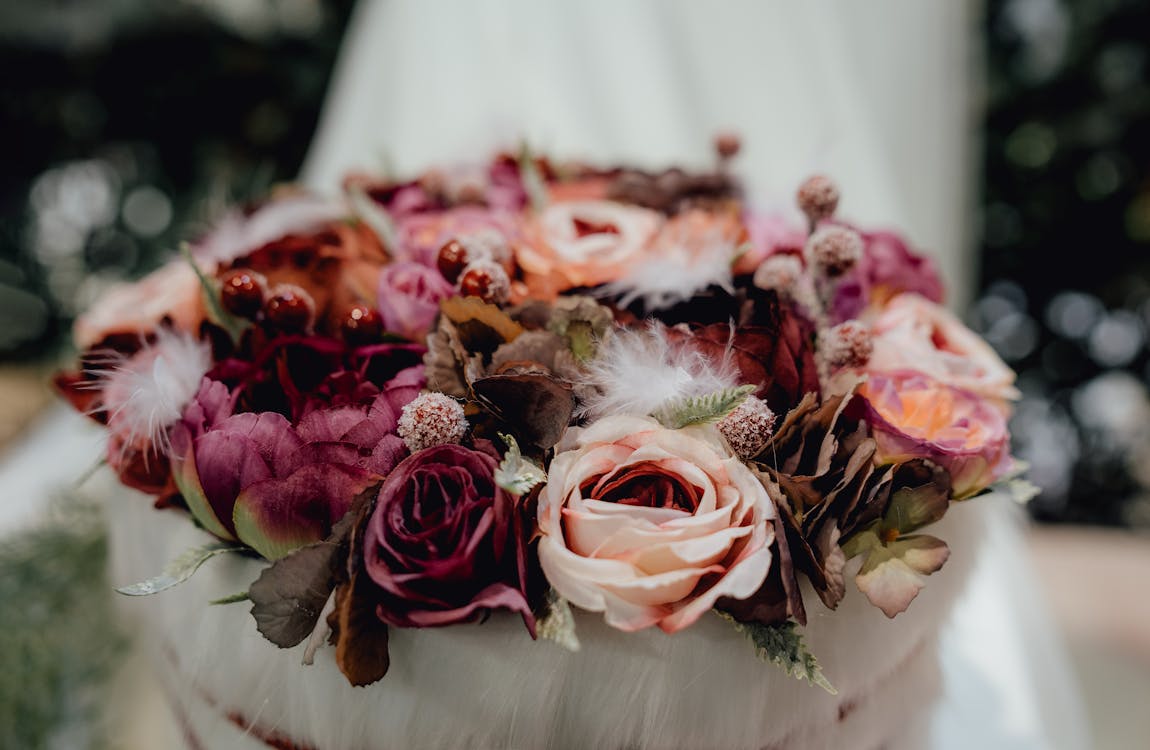
How to Choose a Luxury Wedding Florist in Connecticut
Flowers are the poetry of a wedding celebration. They communicate emotion without words, transform architecture into living art, and create an atmosphere that photographs can preserve but never fully capture. Choosing the right wedding florist in Connecticut is among the most consequential decisions a couple will make, because the right floral designer does not merely arrange flowers. They interpret your vision, respond to your venue, honor the season, and create beauty that elevates every other element of the celebration.
Event Connoisseur believes that the relationship between couple and florist should be one of genuine creative partnership. The finest floral designers in Connecticut bring artistic vision, technical mastery, and deep botanical knowledge to every celebration they touch. This guide will help you identify the florist whose talents align with your aesthetic, your venue, and your investment level, so that the flowers at your wedding tell the story you want told.
Understanding Floral Design Styles
Before you begin meeting florists, develop a vocabulary for the aesthetic that moves you. Floral design encompasses a wide range of styles, and understanding where your preferences fall will help you identify the right creative partner.
Lush and Romantic
Characterized by abundance, texture, and a sense of overflowing natural beauty. Think cascading arrangements of garden roses, peonies, ranunculus, and trailing greenery. Colors tend toward blush, ivory, lavender, and dusty rose. This style pairs beautifully with estate venues, ballroom receptions, and celebrations that embrace a sense of opulent femininity.
Organic and Garden-Inspired
Rooted in the philosophy that flowers should look as though they were just gathered from a magnificent garden. Arrangements feature a mix of focal blooms, supporting flowers, herbs, and wild elements like grasses, vines, and berries. The palette often draws from nature: greens, whites, and seasonally inspired accents. This style excels at vineyard, farm, and outdoor garden venues.
Modern and Architectural
Clean lines, bold color choices, and structural arrangements that treat flowers as sculptural elements. This style favors dramatic single-variety displays, geometric installations, and unexpected vessels. It pairs powerfully with contemporary venues, urban settings, and celebrations that embrace a fashion-forward aesthetic.
Minimal and Refined
The art of restraint. Minimal floral design uses fewer blooms with greater intention, relying on negative space, exquisite stem selection, and precise placement to create impact. A single orchid stem in a fluted vase, a line of garden roses floating in a low trough, or a ceremony arch of bare branches with a single cluster of blooms at its peak. This style demands extraordinary technique, because there is nowhere for imperfection to hide.
Classic and Structured
Formal arrangements with intentional symmetry, uniform color palettes, and polished presentations. Tightly composed bouquets, structured centerpieces, and garland work with consistent density. This style complements traditional venues, black-tie celebrations, and couples who value elegance rooted in established design principles.
For an exploration of what is trending in botanical artistry this season, our guide to luxury wedding floral trends in New England provides inspiration that Connecticut couples will find immediately applicable.
Seasonal Sourcing: The Secret to Extraordinary Flowers
Why Season Matters
The most stunning wedding flowers are those that are in their natural season. Seasonally appropriate blooms are at the peak of their beauty, their fragrance is fullest, and their availability means pricing is more favorable. Conversely, requesting out-of-season flowers often results in blooms that are smaller, less fragrant, and significantly more expensive due to the cost of sourcing from distant growing regions.
The Connecticut Growing Calendar
Spring (April through June): Peonies, lilac, lily of the valley, sweet peas, ranunculus, tulips, anemones, flowering branches (cherry, dogwood, magnolia). Spring in Connecticut is a florist's paradise, with an embarrassment of locally available beauty.
Summer (July through September): Dahlias, garden roses, hydrangeas, lisianthus, zinnias, sunflowers, delphinium, lavender. The abundance of summer growing season means the widest selection and the most favorable pricing for lush, generous arrangements.
Autumn (October through November): Chrysanthemums, marigolds, celosia, amaranthus, ornamental kale, bittersweet, autumn leaves, berries, dried grasses. Fall's rich palette of burgundy, amber, copper, and russet creates naturally dramatic arrangements.
Winter (December through March): Amaryllis, paperwhites, hellebores, anemones, evergreen boughs, holly, and forced branches. Winter arrangements lean into texture and drama, often incorporating non-floral elements for impact.
Local vs. Imported: The Quality Conversation
Connecticut's proximity to excellent regional growers, including farms in the Connecticut River Valley, the Berkshires, and Long Island, gives local florists access to flowers that arrive in peak condition, often cut the same day they are arranged. This freshness translates directly to longevity. Locally sourced flowers for a Saturday wedding will still look beautiful on Sunday morning. Imported flowers that have traveled for days may begin to falter before the reception is over.
The finest florists in Connecticut maintain relationships with local growers that allow them to source extraordinary specimens that never appear in wholesale catalogs. This is one of the hidden advantages of working with an established luxury florist: access to flowers that most designers simply cannot obtain.
Pricing: What to Expect for Luxury Wedding Florals in Connecticut
Understanding floral pricing helps couples invest wisely and set realistic expectations. The range is significant, driven by flower choices, arrangement complexity, installation scale, and designer experience.
The Investment Tiers
$5,000 to $8,000: A thoughtful, well-executed floral program for an intimate celebration. Typically includes a bridal bouquet, two to four attendant bouquets, boutonnieres, six to eight table arrangements, and a simple ceremony installation. Flower choices emphasize seasonal availability, and arrangements lean toward elegant simplicity.
$8,000 to $15,000: A comprehensive floral program for a celebration of 100 to 175 guests. This budget allows for more generous arrangements, a ceremony arch or installation, cocktail hour florals, upgraded bloom selections (including premium varieties like garden roses, peonies in season, and orchids), and personal flowers for the full wedding party. Most luxury Connecticut weddings fall within this range.
$15,000 to $25,000: An expansive floral design that transforms the venue. Large-scale installations, such as suspended arrangements, floral-covered ceremony structures, lush garland work along staircases and mantels, and statement arrangements at every turn. This tier includes premium and imported blooms, often features multiple unique arrangements rather than repeated designs, and reflects significant artistic labor.
$25,000 and above: Bespoke floral artistry at the highest level. Full venue transformations, including exterior installations, may be included. Rare and exotic blooms, custom color work, and design complexity that requires multiple days of installation. At this level, the florist functions as a creative director of the visual experience.
What Drives the Price
Several factors influence floral pricing beyond the obvious cost of the flowers themselves:
Labor: Complex installations, garland work, and large-scale arrangements require significant labor hours. A cascading ceremony arch may take eight to twelve hours to construct, while a simple garden-style centerpiece requires less than one.
Bloom selection: A centerpiece of grocery-store roses costs fundamentally less than one composed of imported Juliet garden roses, lily of the valley, and sweet peas. Premium and rare blooms command premium pricing.
Structural elements: Ceremony arches, suspended installations, and large-scale structures require engineering materials (steel frames, rigging, heavy bases) in addition to the floral materials that cover them.
Delivery and installation: Multiple venue spaces, complex installation requirements, and distant venues all add to logistics costs.
Designer experience and reputation: The most sought-after florists in Connecticut command higher rates, and their work justifies the investment. Their experience translates to fewer mistakes, better sourcing, and design vision that elevates every arrangement.
How to Evaluate a Luxury Florist
Portfolio Review
Study their work across multiple celebrations, not just the highlight images. Look for consistency of quality, range of style, and evidence that they can adapt their design language to different venue types and couple aesthetics. A luxury florist should demonstrate versatility while maintaining a recognizable signature.
The Consultation Experience
A first consultation reveals as much about a florist's process as their portfolio reveals about their aesthetics. The best florists listen deeply, ask insightful questions about your vision and venue, and offer ideas that surprise and inspire you. They should be transparent about pricing, honest about what your budget can achieve, and willing to educate you about seasonal realities.
Venue Knowledge
Ask whether the florist has worked at your venue before. Designers who know the specific light conditions, architectural features, and logistical requirements of your venue can create arrangements that respond to the space with confidence. If they have not worked at your venue, ask how they prepare for a new space. The answer will reveal their professionalism and adaptability.
References and Real Weddings
Request references from recent couples and ask specifically about the experience, not just the final product. Was the florist responsive during the planning process? Did they deliver on their promises? Were there any surprises on the wedding day? Did the flowers hold up throughout the celebration?
Our wedding planning timeline guide can help you understand when in the planning process to book your florist and how floral decisions connect to other vendor timelines.
Working with Your Florist: Best Practices
Start with Inspiration, Not Instruction
Bring images, fabric swatches, and descriptions of the feeling you want your flowers to create. But resist the urge to provide a rigid blueprint. The best results come when you share your vision and then allow the designer's expertise and creativity to shape the execution. You hired an artist; let them create.
Trust the Seasonal Guidance
If your florist suggests substitutions based on what will be at peak beauty on your wedding date, listen. A designer who steers you toward in-season alternatives is prioritizing the quality of your flowers over the ease of simply ordering what you requested. That is the mark of a true professional.
Communicate About the Full Picture
Share your invitation suite, your dress silhouette, your venue's architectural details, and your color palette. The more context your florist has, the more cohesive and intentional their design will be. Flowers do not exist in isolation; they are part of a complete visual story.
Plan for Repurposing
Discuss how ceremony flowers can be repurposed for the reception. A ceremony arch can be repositioned behind the head table. Aisle arrangements can become cocktail hour accents. Personal bouquets can be displayed on the cake table. Strategic repurposing maximizes the impact of your floral investment.
Explore our guide to choosing the perfect luxury wedding photographer for insight into how floral design and photography work together to create the visual legacy of your celebration.
Frequently Asked Questions
How far in advance should we book a luxury wedding florist in Connecticut?
Nine to twelve months before your wedding date is ideal for booking a luxury florist. The most sought-after designers in Connecticut book a limited number of weddings per weekend to ensure each celebration receives their full attention. If your wedding falls during peak season (May through October), earlier booking is advisable.
Can we provide our own flowers or source from a farmers market?
While some couples are drawn to this idea, the practical challenges are significant. Professional florists source flowers that have been properly conditioned, hydrated, and stored to ensure they look their best on the wedding day. Market flowers, while charming, may not have the consistency, stem length, or longevity that wedding arrangements demand. If you wish to incorporate personally sourced flowers, discuss this with your florist so they can integrate them thoughtfully.
What should we do with flowers after the wedding?
Many couples donate arrangements to local hospitals, nursing homes, or community organizations. Your florist or planner can coordinate post-event flower donation. Alternatively, designate specific arrangements for family members to take home as a meaningful keepsake of the celebration.
How do florists handle extreme heat during summer outdoor weddings?
Experienced luxury florists in Connecticut prepare for summer heat with specific techniques: hydration treatments, refrigerated delivery vehicles, late-stage installation of heat-sensitive arrangements, and the strategic use of hardier blooms in exposed locations. Discuss heat management specifically if your celebration is outdoors during July or August.
Is it worth investing in a floral designer even for a minimalist wedding?
Especially for a minimalist wedding. When the design relies on fewer elements, each one must be perfect. A luxury florist brings the expertise to select the most exquisite individual stems, create arrangements where every detail is intentional, and execute the restrained elegance that minimalist design demands. Less is only more when the "less" is extraordinary.
Find Your Floral Partner
The right florist transforms a beautiful wedding into a transcendent one. Connecticut is home to extraordinary floral talent, designers whose artistry with living materials creates atmospheres of beauty that no other element of the celebration can achieve.
Browse the Event Connoisseur directory to discover luxury florists whose portfolios, experience, and creative vision align with yours. Every florist in our collection has been vetted for the caliber of work, professionalism, and artistic integrity that Connecticut's most discerning couples expect.
Ready to Start Planning?
Create your free account to save vendors, send inquiries, and track your wedding planning all in one place.
Love This? Get More.
Join 500+ CT couples getting weekly planning tips, vendor spotlights, and exclusive guides.
No spam, ever. Unsubscribe anytime.